

The Influences of Infinite Thing-Centered Learning on Everyday Practices, in Relation to Co-Performance
Thing-Centered Learning – 1st year Master 2020
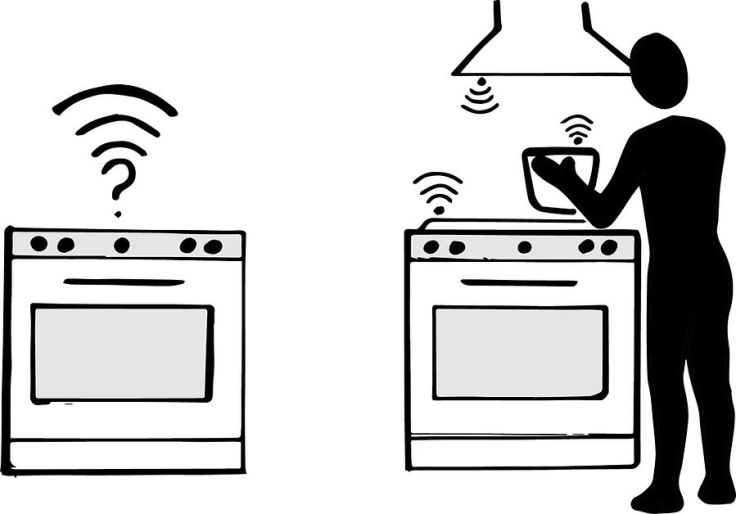
Aim: Discover what the influences on practices are when automated artefacts learn through a thing-centered perspective in a future everyday environment
Theme: Co-performance, practice theory, thing-centered design, embodied learning, automated artefacts.
Expertise Areas: User & Society, Creativity & Aesthetics
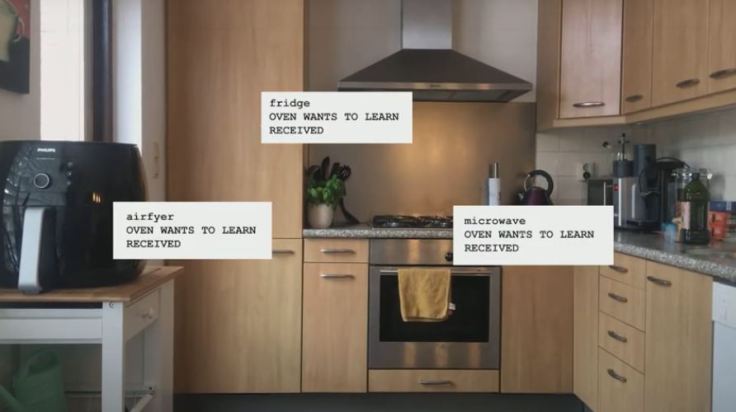
Considering automated artefacts as co-performers in practices can bring insight to the relation between objects and people in practices. Taking a thing-centered perspective has similar aims in understanding the relation between objects and people, however the interplay between these two topics has not been a topic of research yet. Through creating a research product showing the thing-centered perspective and discussing implications for practices in a focus group with designers, the study has brought insights into factors that influence practices. The results provide four different aspects that show influences of automated thing-centered learning artefacts on practices in a future everyday environment.
The identified themes that show the influences of automated artefacts that are constantly learning through a thing centered perspective on human (in-home) practices are: The level of trust in automated artefacts; human levels of control on practices; the level of equalness between automated artefacts and humans, and; the cultural or societal context.
These four aspects are recommended to be taken into account by designers when adopting a thing-centered perspective to design artefacts that continuously learn. Doing this has potential to understand more about the relation between objects and people, and can lead to new ways to frame and solve problems.






 Kyara Fasen
Leave a comment